
Do I need a switchboard upgrade for an EV charger?
Often not. Four things decide it, and only one of them is the board itself. Plenty of houses just need a new dedicated circuit added to what's already there. The expensive answer — new consumer mains, a bigger supply, three-phase conversion — is frequently avoidable with load management, and most quotes never mention that.
Find out before you buy
Tell us the car and roughly where the board is. We'll tell you what the job actually involves.
No call centre. Goes straight to us.
Been quoted a mains upgrade you're not sure about?
Ring us before you commit. Load management often does the same job for a fraction of it.
Four checks, in this order
Any honest answer to "do I need a switchboard upgrade" comes from looking at the board and the meter box. Anyone who answers it over the phone without asking these four things is guessing — and guessing upward, because that's the safer guess for them.
1. Is there room for the circuit?
An EV charger needs its own dedicated circuit, which needs a place to live in the board. Spare ways, a busbar that can take another module, and an enclosure with space. A full board doesn't rule the job out; it just changes how we get the circuit in.
2. What protection is in there now?
Modern RCBOs and a tidy board: we add a circuit. Ceramic rewireable fuses, or no RCD protection at all: the board needed replacing before the car turned up, and the charger is just what made it urgent.
3. Will the supply carry it?
A 7 kW charger is 32 amps running for hours. We work out your maximum demand — what the house can actually pull at once — against your main switch and consumer mains. This is the check that decides whether the job is cheap or expensive.
4. One phase or three?
Three phase gives you headroom and faster charging if the car can use it. Some newer estate homes have it and the owners don't know. We check at the meter box, because it changes every other answer.
Then: where's the charger going?
Board to charger is a cable run, and the route is the cost. Meter box on the garage wall is one job. Detached garage across a driveway is another. This gets measured, not estimated from the kerb.
And: have you got solar?
If you do, the charger should be able to use your export rather than your tariff. That's a configuration and equipment choice made at quote time, not something retrofitted later.
Load management is what saves you the mains upgrade
This is the single most useful thing on this page. If a quote says you need a supply upgrade and doesn't mention load management, it's an incomplete quote.
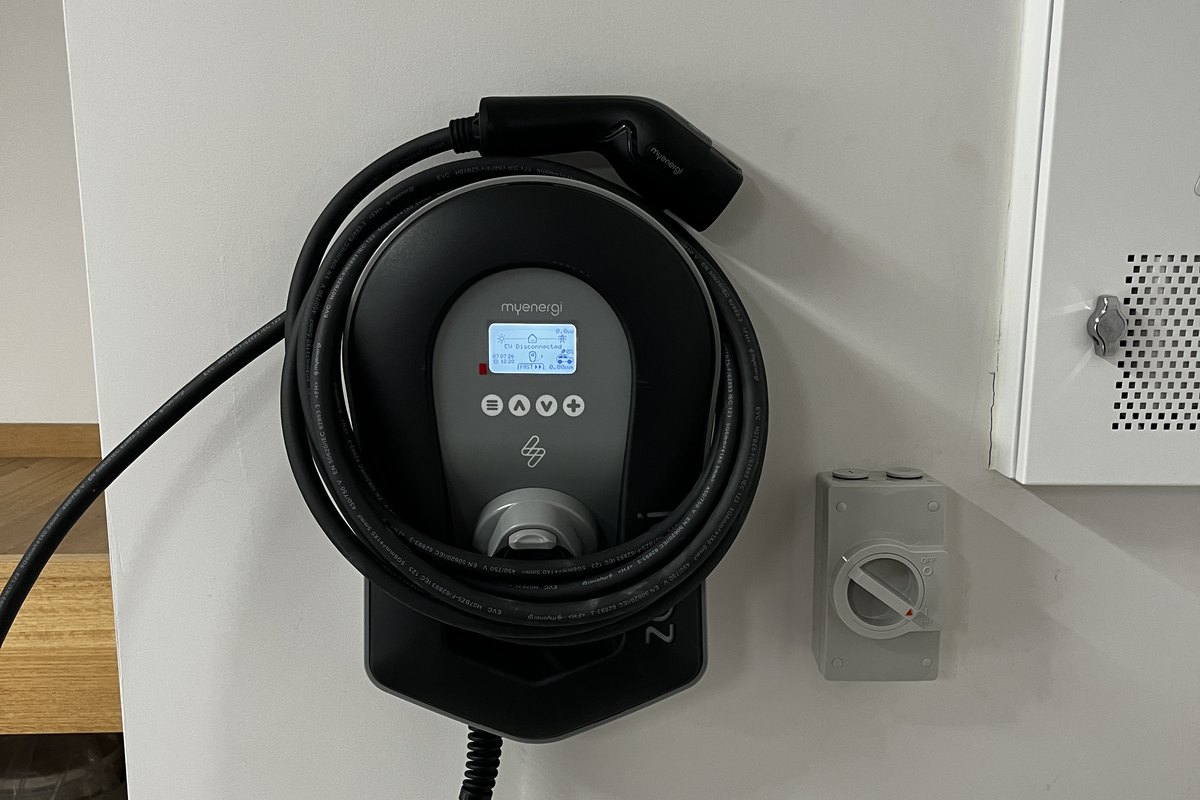
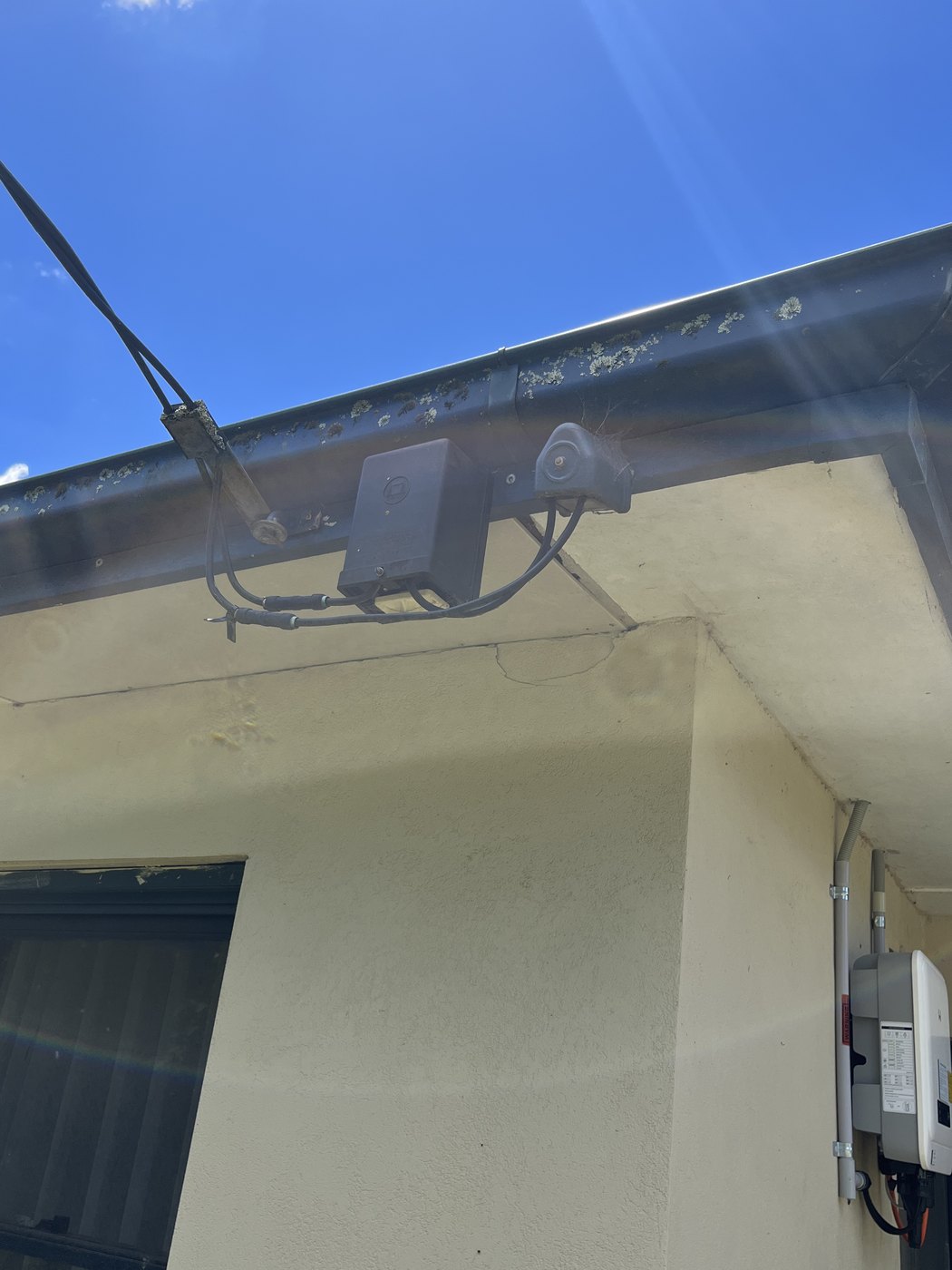
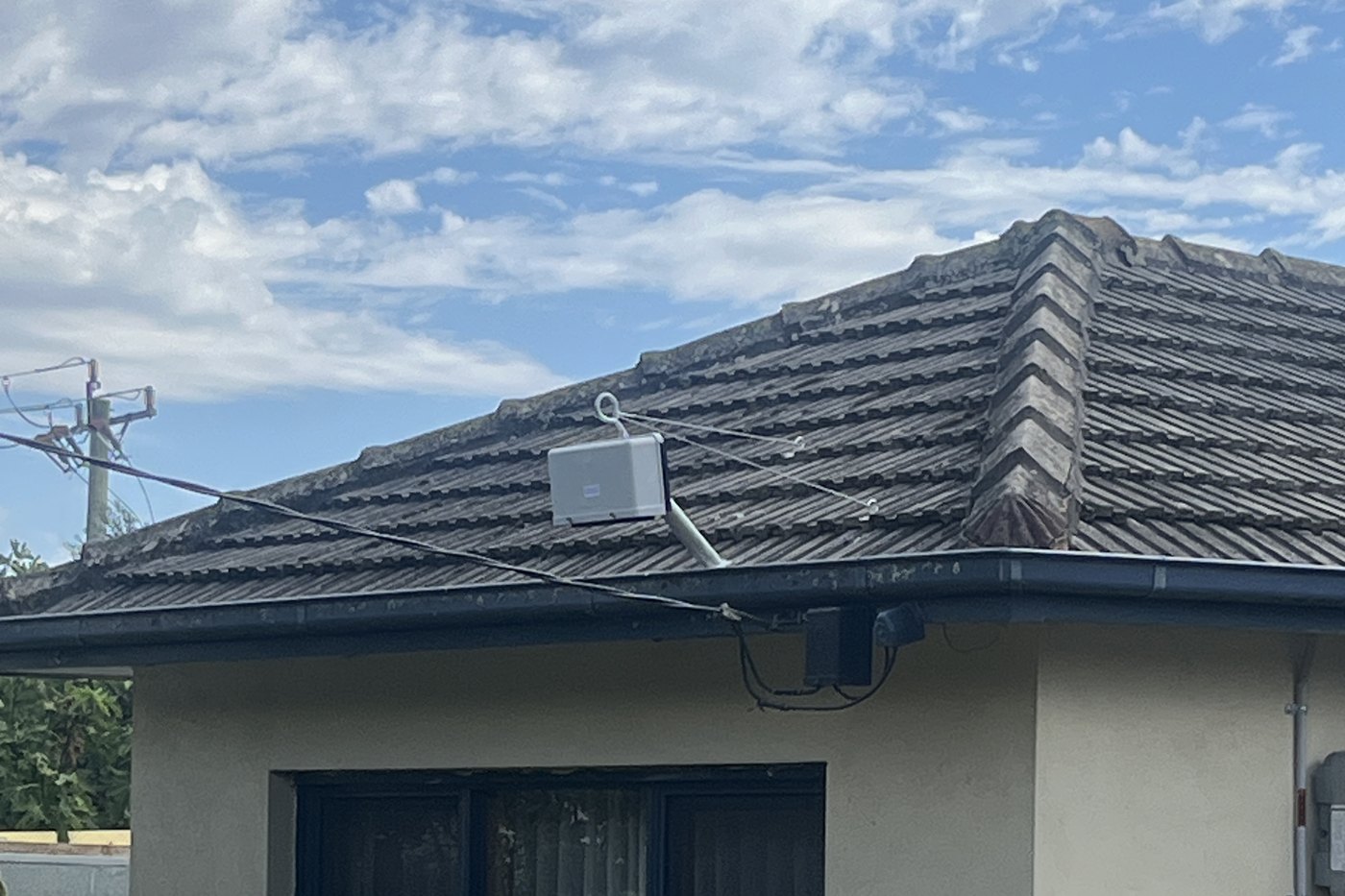
- How it works — a current sensor goes on your main supply and reports to the charger. The charger always knows how hard the whole house is drawing.
- What it does — when the oven, the ducted aircon and the dryer are all going, the charger winds itself back. When they stop, it winds up again. It never lets the total exceed what your supply can carry.
- Why it doesn't matter to you — the car sits there for ten hours. Losing an hour of full-rate charging between 6 and 8pm makes no difference to a car that's full by 2am.
- What it replaces — frequently a whole consumer mains upgrade, and sometimes a service upgrade with distributor involvement on top. That's the expensive end of the job, removed.
- What supports it — Tesla Wall Connector and myenergi Zappi both do, among others. We're a myenergi Product Champion, so it gets set up properly rather than left on defaults.
- When it isn't enough — if your mains are already undersized or degraded, or you're adding a battery and a second car too, then the supply work is real and we'll say so.
The car decides the speed, not the charger
This is where money gets wasted. The onboard AC charger in the vehicle is the limit. A bigger wall unit cannot push past it.
- 7 kW, single phase — what most EVs sold here accept on AC. Roughly 40 km of range per hour, so about 400 km overnight. Covers almost every household.
- 11 kW, three phase — some vehicles accept it. Worth it if you've already got three phase and the car can genuinely use it.
- 22 kW — very few passenger EVs accept this on AC. Fitting one to a car that takes 7 kW charges at 7 kW. You've bought capacity the car will never use.
- Check the car's spec sheet, not the charger's. The number you want is the AC onboard charger rating, which is a different number to the DC fast-charging figure in the brochure.
- Converting to three phase just to charge faster is rarely worth it. Converting because the house, the shed or the machinery needs it anyway, and getting faster charging thrown in, is a different calculation — see three-phase upgrades.
When you probably do, and probably don't
You'll almost certainly need board work
- Ceramic rewireable fuses in the board — it's being replaced regardless of the car
- No RCD protection anywhere, or one shared RCD covering everything
- No spare ways and an enclosure with no room to extend
- Visible heat damage, rust, water ingress or an asbestos backing sheet
- Mains that are visibly undersized, brittle, or spliced where they shouldn't be
- You're adding a battery and a second EV as well — at that point do it once, properly
You probably don't
- A modern board with RCBOs and a couple of spare ways
- A full board that can still be extended, or fed to a small sub-board
- Adequate consumer mains and a main switch with headroom for one more load
- Three-phase supply you didn't know you had — which happens more often than you'd think
- Tight supply, but a charger with load management fitted to work within it
- Gas cooking and gas heating — your maximum demand is lower than an all-electric house, so there's more room for a car
If the board does need replacing, do it once and leave room for what comes next — the battery, the second car, the aircon. Three visits cost meaningfully more than one. What changes the price of a switchboard upgrade.
Why a power point in the garage isn't the answer
EV charging is treated as its own category in AS/NZS 3000, the Wiring Rules, and for good reason: it's one of very few domestic loads that runs at near-full current for hours at a time. Almost nothing else in a house does that.
A dedicated circuit, always
The charger gets its own circuit back to the board. It doesn't share with power points, it doesn't go on a spare way behind something else, and the cable is sized for a continuous load rather than an intermittent one.
The right kind of RCD
EV charging needs earth leakage protection that accounts for DC fault current — a Type A device together with DC fault detection, or a Type B. A plain Type AC RCD is not suitable, and some chargers provide part of this internally.
Sized for heat, not just current
A cable that's fine for a 32 amp cooktop used in bursts isn't automatically fine for 32 amps for eight hours in a hot roof space. Derating for the installation conditions is the difference between a safe job and a warm one.
Why the portable lead is slow
The lead in the boot charges at about 2 kW — around 10 to 15 km of range an hour. Fine for a plug-in hybrid. For a full EV it's an overnight top-up that never catches up, and it's running that load through an outlet never designed for it.
Certificate of Electrical Safety
New circuit, new certificate. Prescribed work is independently inspected. Keep the paperwork — it matters for insurance and at resale.
Distributor involvement
Adding a charger circuit to an existing board usually doesn't involve your distributor. Changing your supply does, and that adds time as well as money. Another reason to find out early whether you can avoid it.
Questions we get asked
Do I need a switchboard upgrade to install an EV charger?
Often not. Four things decide it: whether there's room in the board for a dedicated circuit, whether the board already has modern protection, whether your supply can carry the extra load, and whether you're single or three phase. Plenty of houses need only a new circuit added to an existing board. Houses with ceramic fuses or no RCD protection are a different story — the board was due for replacement regardless of the car.
What size circuit does a 7 kW EV charger need?
A 7 kW single-phase charger draws about 32 amps continuously, so it needs its own dedicated 32 amp circuit with cable sized for the run and the mounting conditions. The Wiring Rules require EV charging equipment to be on a dedicated circuit with specific earth leakage protection — a Type A RCD together with DC fault detection, or a Type B device. It can't share a circuit with power points, and a standard outlet in the garage isn't a substitute.
What is load management and will it save me a mains upgrade?
Load management means fitting a current sensor on your main supply so the charger knows how hard the whole house is drawing. When the oven, aircon and dryer are all running the charger reduces its rate, then speeds back up when they stop. The car still charges overnight either way. It very often removes the need for a consumer mains or supply upgrade, which is usually the most expensive part of the job. Tesla Wall Connector and myenergi Zappi both support it.
Should I install a 22 kW charger?
Only if your car can use it and you have three-phase supply. The limit is the vehicle's onboard AC charger, not the wall unit. Most EVs sold in Australia accept about 7 kW on single phase, and some accept 11 kW on three phase. Installing a 22 kW charger on a car that accepts 7 kW charges the car at 7 kW and costs you more for nothing.
Do I need three-phase power for an EV charger?
No. A single-phase 7 kW charger adds roughly 40 km of range an hour, which is more than most households drive in a day, so overnight charging is comfortably covered. Three phase is worth having if you already have it, if the car genuinely accepts 11 kW, or if you're doing other work that needs it anyway. Converting to three phase purely to charge faster at home is rarely money well spent.
How do I know if I have three-phase supply?
Look at the main switch in your meter box. A single wide switch with one or two poles is generally single phase; a main switch spanning three poles, or three separate main fuses at the service, points to three phase. Some newer estate homes were built with three phase and the owners have no idea. We check at the board rather than guess, because it changes the options completely.
My switchboard is full. Is that a problem?
It's a capacity problem rather than a safety one, and there are usually three ways out: extend the existing board if the enclosure and busbar allow it, add a small sub-board fed from the main board, or replace the board if it was marginal anyway. Which one is cheapest depends on what's in there now, which is why we look before quoting rather than after.
Can I just plug the charger into a normal power point?
The portable lead that came with the car will charge from a standard outlet at around 2 kW, which is roughly 10 to 15 km of range an hour. It works for a plug-in hybrid or very light use. For a full battery EV it's slow, and running a continuous load for twelve hours through an old outlet and a shared circuit is exactly how outlets and connections cook. A dedicated circuit is the answer.
Will the installation need approval from my electricity distributor?
Adding a dedicated charger circuit to an existing board usually doesn't. Changing your supply — upgrading consumer mains, increasing your service capacity, or converting to three phase — does involve the distributor, and that process adds time as well as cost. We handle the paperwork, but it's a reason to find out early whether load management can avoid the supply change altogether.
Can the same job cover a future battery?
Yes, and it's the sensible way to do it. If a battery is on the horizon, the board and the mains get sized for both now rather than revisited in two years. See home batteries — and tell us at quote time, because it changes what we'd recommend.
Where we work
Pakenham and Surrounds.
Core — same or next day
- Pakenham
- Officer
- Beaconsfield
- Berwick
- Narre Warren
- Cardinia
Regular — usually within the week
- Cranbourne
- Clyde & Clyde North
- Drouin
- Warragul
- Emerald & Cockatoo
- Hallam
By arrangement
- Dandenong
- Frankston
- Phillip Island
Find out before you commit
We'll check the board, the mains and the phases, and tell you which of the four answers applies to your house.